
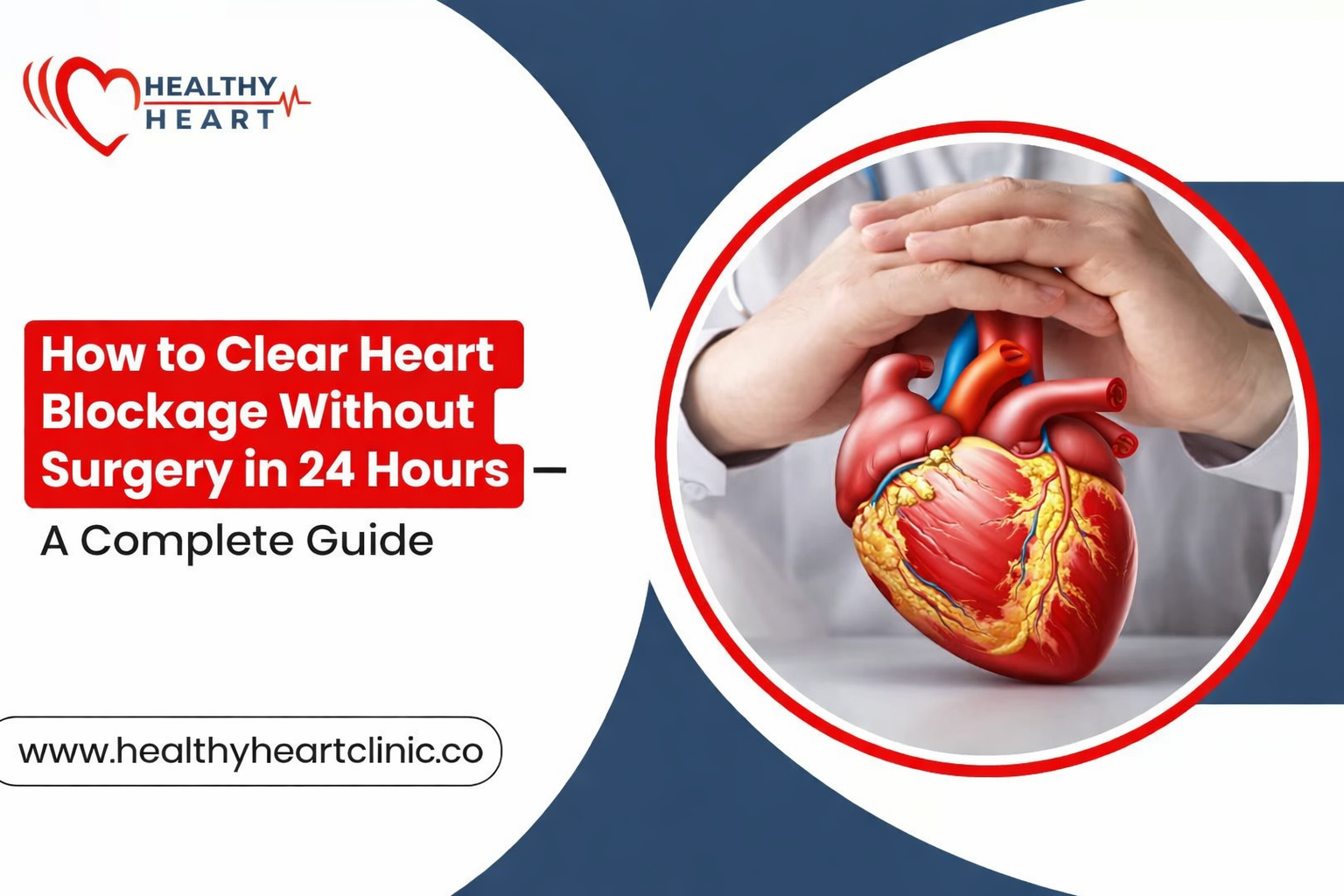
How to Clear Heart Blockage Without Surgery in 24 Hours – A Complete Guide
Introduction
Heart blockage is one of the major causes of heart attack and cardiovascular problems in the world. With increasing stress levels, sedentary lifestyles, and unhealthy dietary habits, heart blockage is being diagnosed even in younger adults. Many patients are curious if it is possible to clear heart blockage without surgery, especially within a short time frame, such as 24 hours. Before going ahead, do know that complete removal of blockage overnight is not medically realistic, but early medical intervention can be helpful in cases of emergency to significantly stabilize the condition and restore blood flow without surgery.
In this blo,g we will help you to know all the relevant details regarding the same. Keep on reading to know more and take the necessary steps if needed!
What Is Heart Blockage?
The heart blockage is a condition that happens when the coronary arteries that transport oxygenated blood to the heart muscle are constricted or obstructed by the accumulation of plaque. This plaque is composed of cholesterol, fat and calcium, among other things. In the long-term, decreased blood flow may cause chest pain (angina) as well as shortness of breath, or even a heart attack if the artery is blocked completely.
The extent of blockage in the heart is dependent on the percentage of artery constriction and the number of affected arteries. Mild blockage can be treated using drugs and lifestyle modification, whereas a severe blockage is treated using advanced care.
What Are the Symptoms of Heart Blockage?
Symptoms of heart blockage can be different based on the degree of blockage and the health conditions of individuals. Common symptoms include:
- Chest pain or pressure, especially during physical activity
- Shortness of breath
- Fatigue
- Dizziness
- Discomfort in the arms, jaw, neck, or back.
Note: Do understand that there are instances where the blockage of the heart is not noticeable until it leads to a heart attack and that is the reason heart check-ups should be regularly performed.
What Causes Heart Blockage?
Atherosclerosis is the main cause of heart obstruction, in which plaque collects within the arteries. Other then this, some other risk factors include:
- High cholesterol levels
- High blood pressure
- Diabetes
- Smoking
- Obesity
- Lack of physical activity
- Unhealthy diet
- Excessive stress
- Family history of heart disease.
- Unhealthy lifestyle factors increase the rate at which plaque forms and the possibility of sudden cardiac event.
How to Diagnose Heart Blockage?
Heart blockage can be diagnosed by either clinical examination or a combination of clinical examination and diagnosing tests. Common tests include:
- ECG (electrocardiogram)
- Echocardiogram
- Stress test
- CT coronary angiography
- Conventional coronary angiography.
- Blood tests may also be performed to check cholesterol levels and cardiac markers.
Well, the early diagnosis prevents complications and makes it possible to be treated without an operation in most cases just in time.
How to Treat Heart Blockage?
Treatment for heart blockage depends on the severity of the condition. Some best treatment options include:
1. Medication Therapy
Blood thinners, statins (cholesterol-lowering drugs), beta-blockers, and blood pressure medications are the medications that prevent clot formation, slow down the development of plaque, and enhance blood circulation to the heart.
2. Lifestyle Modification
A heart-healthy lifestyle, comprising a healthy diet, physical exercise, weight regulation, stress reduction ,and elimination of smoking are all important in the management of heart blockage and the development of complications.
3. Cardiac Rehabilitation
The cardiac rehabilitation programs involve physical activities, nutritional education, and counseling under supervision to make the heart too strong, improve endurance, and promote permanent recovery without surgery.
4. Angioplasty and Stent Placement
When there is severe blockage, the procedure of opening narrowed arteries with the balloon and installation of stents in order to sustain the blood circulation and prevent the new blockage is carried out (angioplasty).
5. Coronary Artery Bypass Surgery (CABG)
In case of serious or multiple blockages of arteries, the bypass surgery can be suggested to develop another way of blood flow that will enhance the supply of oxygen to heart muscle and decrease the risk of a heart attack.
What Are the Non-Surgical Methods to Manage Heart Blockage?
Non-surgical treatment is aimed at stabilizing the plaque, enhancing the blood supply, and minimizing the risk in the future. This includes:
- Medication therapy
- Dietary changes
- Regular physical activity
- Weight management
- Stress reduction
- Quitting smoking
Cardiac rehabilitation is used to aid the recovery and enhancement of heart conditions of patients by engaging in exercise guided by counseling. Such techniques are capable of avoiding deterioration of obstruction and, in other instances, diminishing symptoms greatly.
How to Remove Heart Blockage Without Surgery in 24 Hours?
It is necessary to specify that the blockage of the heart cannot be fully eliminated in 24 hours through natural means. Nevertheless, doctors are able to quickly stabilize the blood flow and avoid additional harm within the case of emergency without surgery. This can be done by giving instant medical treatment, clot-thinning drugs, oxygen therapy and blood-thinning drugs to resume circulation, alleviate symptoms within the next few hours.
Early-stage obstructions in certain instances respond to intensive medical treatment, with the ensuing relief of symptoms in 24 hours. It takes weeks months of consistent treatment, rigorous lifestyle changes and medical follow up to reverse or regress over the long term rather than magic solutions.
Expert Guidance and Heart Care
Heart blockage is a critical condition that needs qualified assessment and individual therapy. Dr Ankit Gupta offers a total heart care with specialization on the non-surgical treatment, preventive cardiac care and early diagnosis of heart diseases. With the appropriate guidance of the medical team, most patients prefer not to undergo surgery and have a healthy life with proper treatment plans.
Conclusion
Heart blockage is a serious condition, but it does not always require surgery. While it is not medically possible to completely clear a blockage in just 24 hours, early diagnosis and timely medical care can help stabilize the condition quickly and prevent further complications. Medications, lifestyle modifications, and cardiac rehabilitation are important non-surgical approaches that play a key role in the long-term management of heart health.
If you are experiencing symptoms such as chest pain, shortness of breath, or unusual fatigue, it is important to consult the Best Cardiologist in Jaipur for proper evaluation and treatment. An experienced cardiologist can recommend the right diagnostic tests, medications, and lifestyle guidance to manage heart blockage effectively and reduce the risk of future cardiac problems. Following a disciplined heart-care plan under expert supervision is the safest and most effective way to protect your heart health.
FAQ:
Is it possible to cure heart blockage without any surgery?
Blockages in the heart cannot be fully cured overnight unless it has been surgically done, however initial blockages may be successfully treated with medicines, change of lifestyles and monitored by a doctor to avoid further deterioration of the condition and minimization of symptoms.
What is the time duration to eliminate heart blockage?
Naturally, the reduction of heart blockage is not an immediate process and it normally takes weeks or even months. Long-term improvement must include consistent medication, a heart-healthy diet, exercise, and control of risk factors.
Can heart blockage be treated with medication alone?
Medications, including blood thinners, statins, and blood pressure medications, can be used to keep heart blockage in check and eliminate complications without surgery in many cases, including mild to moderate ones.
In what cases do we need surgery to treat the heart blockage?
When the blockage is severe, the chest pain persists, or there is a high risk of heart attack (like very low blood flow to the heart muscle) then surgery or angioplasty is normally needed.
Where do I refer when non-surgical heart blockage is to be treated?
Your cardiologist should be experienced. Well, you can reach Dr. Ankit Gupta to get the diagnosis. He will suggest a non-surgical treatment plan that suits your heart ailment and the risk factors involved.
